Why Tiny Garden Is the Whimsical Font Your Brand Has Been Missing
There’s a certain magic that happens when you stumble upon a design element that feels both instantly familiar and refreshingly unique. For anyone working on a project aimed at families, children, or anyone who appreciates a touch of heartfelt whimsy, finding a typeface that captures that feeling can be a game-changer. This is exactly the space that the Tiny Garden font occupies. It’s not merely a collection of letters; it’s a carefully crafted visual voice designed to inject warmth, personality, and a handcrafted story into your work.
Understanding the Visual Soul of a Handwritten Typeface
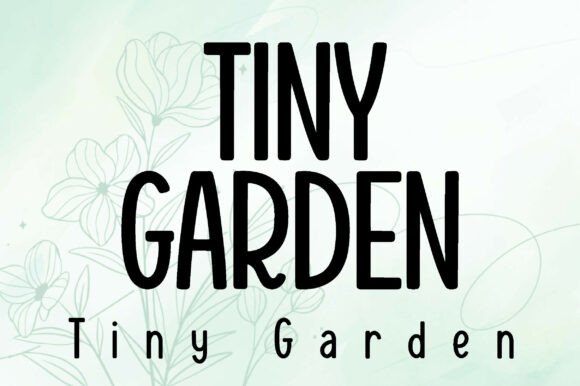
What sets a premium font like Tiny Garden apart from a standard script font is its intentional design. Each character is drawn with a soft, playful appeal, mimicking the gentle irregularity of hand lettering. This isn't about perfect, sterile lines; it's about creating a personal and expressive design narrative. The curves are rounded, the connections between letters feel natural, and the overall impression is one of approachable charm. This makes it a powerful tool for modern typography where authenticity often trumps rigid formality. It balances readability with character, ensuring your message is both clear and engaging.
Practical Applications: Where This Creative Font Truly Shines
The versatility of a well-designed display font is its greatest asset. Tiny Garden is exceptionally suited for a wide range of creative and commercial projects, acting as a foundational design asset for building a cohesive visual identity.
Building a Memorable Brand Identity
For small businesses, especially those in the children's market, educational space, or artisanal food industry, branding is everything. Using Tiny Garden for your logo design, business cards, and website headers can instantly communicate your brand's values of care, creativity, and personal touch. It helps in brand recognition, making your business feel more relatable and less corporate. When paired with a clean sans serif font for body text, it creates a dynamic and professional presentation that stands out.
Elevating Products and Packaging
Packaging design is a critical touchpoint. Imagine a line of organic baby snacks, handmade soaps, or boutique stationery. The label using a whimsical, handwritten font like Tiny Garden transforms the product from a mere item into part of a story. It suggests craftsmanship and attention to detail, which can justify a premium positioning and create a warm, memorable impression on the shelf or in an online store.
Creating Engaging Digital and Print Content
From social media graphics and blog headers to invitation cards and poster designs, the applications are nearly endless. Content creators and marketers can use it to add a dash of charm to Instagram quotes, YouTube thumbnails, or email newsletter graphics. For print materials like wedding invitations, baby shower announcements, or children's book covers, it provides that essential handmade feel that digital precision often lacks. It’s equally effective in editorial design for pull quotes or section headers in a lifestyle magazine.
Making Smart Typography Choices for Your Project
Choosing the right font style is a strategic decision. It’s not about what looks cool in isolation, but what serves the project's goals and audience. Here’s some practical advice for integrating a font like Tiny Garden effectively:
- Test Your Font Pairings: Never use a display or script font in isolation for large blocks of text. Pair Tiny Garden with a highly legible serif or sans serif font. For example, use it for headlines and a font like Open Sans or Lora for paragraphs. This maintains visual consistency and ensures readability across your website design or brochure.
- Consider the Context: Match the typography to the emotional tone. This handwritten font is perfect for playful, warm, and personal contexts. It might not be the best choice for a corporate law firm's annual report, but it's ideal for a bakery's menu or a yoga studio's promotional poster.
- Review All Included Styles: A quality commercial font often comes with more than just basic letters. Check if Tiny Garden includes alternates, ligatures, or multilingual support. These features give you more creative flexibility to make your typography truly unique and avoid repetitive letter shapes in longer words.
- Mind the Scale: Handwritten fonts are display fonts; they work best at larger sizes. Use them for titles, logos, short phrases, and call-to-action buttons. Avoid setting long paragraphs or fine print in this style, as the charming details can become lost and hinder reading flow at small sizes.
Beyond the Project: Licensing and Professional Use
For entrepreneurs and designers planning to use a font in client work or for commercial products, understanding the license is non-negotiable. Always ensure the font you select comes with a commercial license that covers your intended use—whether for digital products, printed merchandise, or logo design for a client. This legal clarity protects you and respects the work of the typeface designer, allowing for a sustainable creative ecosystem. A premium font with a clear license is an investment in your project's professional integrity.
Ultimately, the right typeface does more than display words; it shapes perception and builds connection. Tiny Garden offers a specific kind of visual language—one that is friendly, authentic, and full of life. By thoughtfully applying it to the right projects and pairing it wisely, you can harness its whimsical appeal to create designs that don't just capture attention, but also tell a compelling, heartfelt story that resonates with your audience long after they've seen it.